Where To Stay In Brighton: The Best Areas By Traveller Type
Pick the wrong street and you will hear the seagulls at 5am; pick the right one and you can roll out of bed onto the promenade. Here is how the areas actually differ.
 Written with Oliver Bennett, Brighton bus tour guide & local sightseeing specialist
Short answer
Stay on the seafront or in the Lanes for first-time sightseeing, Kemptown for a quieter bohemian base near the Marina, Hove for calm and space, or near the station for easy London trains. The open-top bus links all five, so you can sleep in one and see the rest without moving your bags.
Brighton is small enough to walk across in under an hour, which fools people into thinking the address does not matter. It does. A seafront room and a room three streets inland are the same distance from the pier, but one wakes to the sound of waves and the other to bin lorries in the Lanes. I have guided visitors who loved being in the thick of it and others who wished they had booked the quieter end of Hove. The good news: the city is compact and the open-top loop threads the neighbourhoods together, so no single choice locks you out of the rest. Here is how the areas differ, and who each one suits.
You can follow this guide independently. If you want the route, admission or local context arranged, compare the best-fit bookable option after the practical answer.
Booking Choice: The strongest paid match is ride the city loop: it answers the main planning decision in this guide while the original article keeps the independent route usable. Explore City Sightseeing Brighton Hop-On Hop-Off Bus Tour
Where Should You Stay In Brighton For The First Time?
For a first visit, base yourself on the seafront or in the Lanes and city centre. Both put you within a short walk of the pier, the beach, the Royal Pavilion and the main shopping streets, and both sit right on the open-top bus loop. You get the classic Brighton on your doorstep and everything else a short ride away.
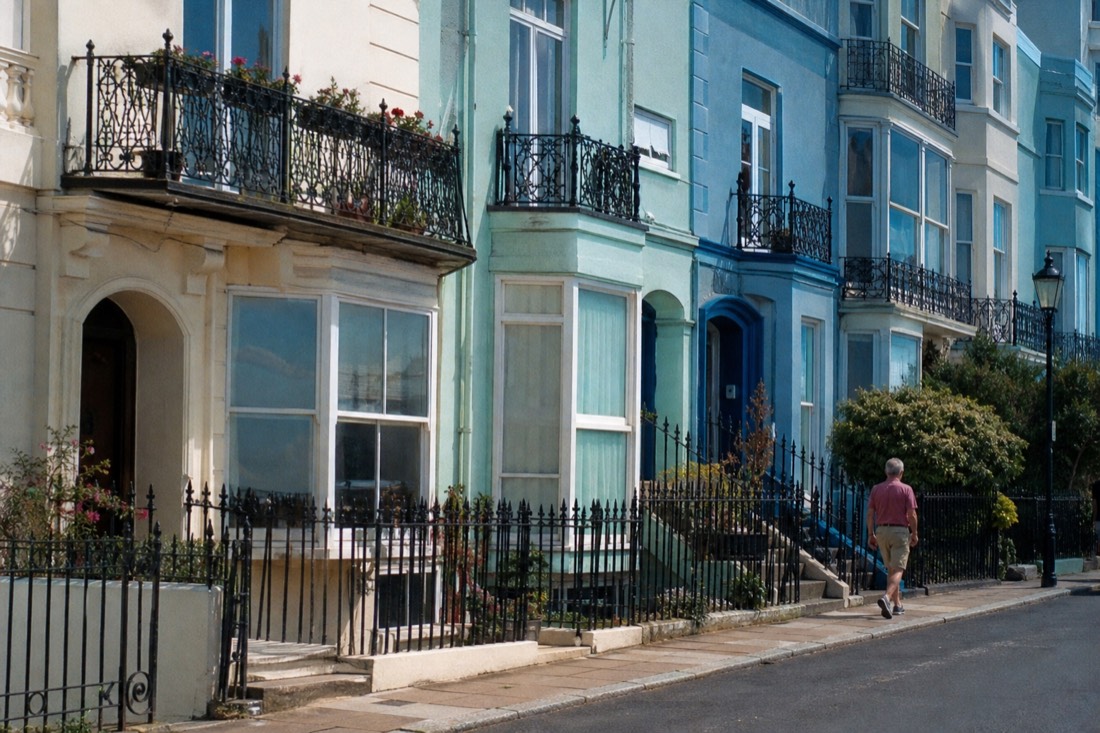
First-timers usually want the postcard version: the pier, the pebble beach, the Pavilion domes, the tangle of the Lanes. All of that clusters in the centre and along the front, so staying there means less time in transit and more time out. The trade-off is noise and price. Central and seafront rooms cost more and can be loud on weekend nights, when Brighton fills up. If you are here to sightsee rather than sleep in, that is a fair swap. The City Sightseeing bus boards right by the Palace Pier, so a central base also means the loop starts on your doorstep.
| Best for first-timers | Seafront or the Lanes and centre |
|---|---|
| Quietest bases | Hove, or the upper streets of Kemptown |
| Easiest for London trains | Around Brighton Station and Seven Dials |
| Most character | Kemptown and the Lanes |
| Links every area | The open-top loop, 12 stops, plus unlimited city buses on the ticket |
Is The Seafront A Good Place To Stay In Brighton?
The seafront is the most scenic base and the most convenient for the beach, the piers and the i360, but it is also the priciest and the liveliest at night. Rooms with a sea view carry a premium. If you want to step straight onto the promenade and do not mind weekend noise, it is hard to beat.
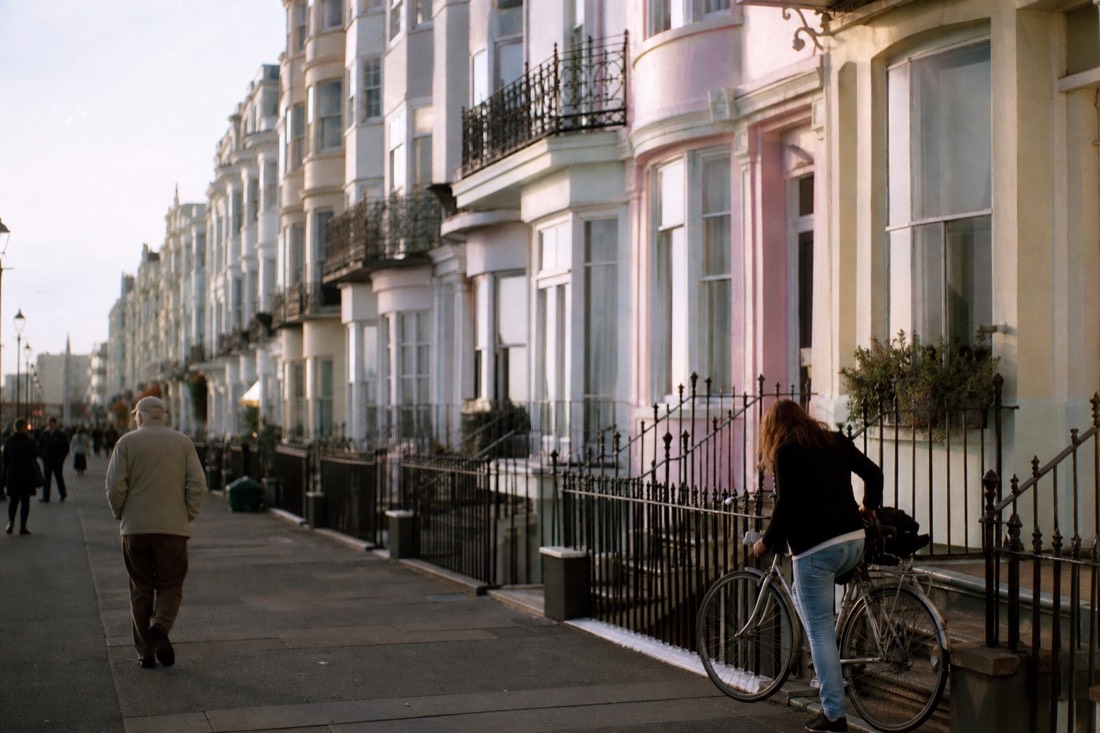
The stretch from the Palace Pier west past the West Pier and the i360 is where the grand old hotels sit, all white stucco and balconies facing the water. Waking up to the Channel is the reason people pay for it. What you are trading is calm: the promenade stays busy well into the night in summer, and a front-facing room hears it. Families and couples who want the beach as their back garden tend to love it anyway. The open-top bus stops at both the Palace Pier and the West Pier and i360, so the whole loop is a two-minute walk from most seafront hotels. For a sense of what sits along this stretch, the official Visit Brighton guide maps the seafront attractions well. Two seafront landmarks worth pricing up are the grand Victorian Grand Brighton and the historic Old Ship Hotel on Kings Road.
The Grand Brighton (seafront) Check rates ›
The Old Ship Hotel (Kings Road) Check rates ›
Should You Stay In The Lanes Or The City Centre?
The Lanes and central Brighton put you inside the shopping, eating and nightlife, a few minutes from both the beach and the Pavilion. It suits people who want to walk everywhere and dip in and out through the day. The catch is the same as the seafront: higher prices and weekend noise.
The Lanes are the narrow historic alleys packed with jewellers, cafes and pubs; North Laine, just up the hill, is the scruffier, more bohemian shopping quarter. Staying in or beside them means you are never more than a few minutes from a meal or a pint, and the Royal Pavilion sits right on the edge of it all. This is the densest, most atmospheric part of the city, so it is loud, and cars struggle here, most streets are pedestrian or one-way. If you are arriving without a car and want to walk the whole trip, the centre earns its keep. Read the the Lanes guide before you book, since knowing which alley you are on helps. For a stylish central base, the boutique Drakes sits on the seafront edge of the Lanes.
Drakes of Brighton (Lanes / seafront) Check rates ›
Is Kemptown A Good Area To Stay In Brighton?
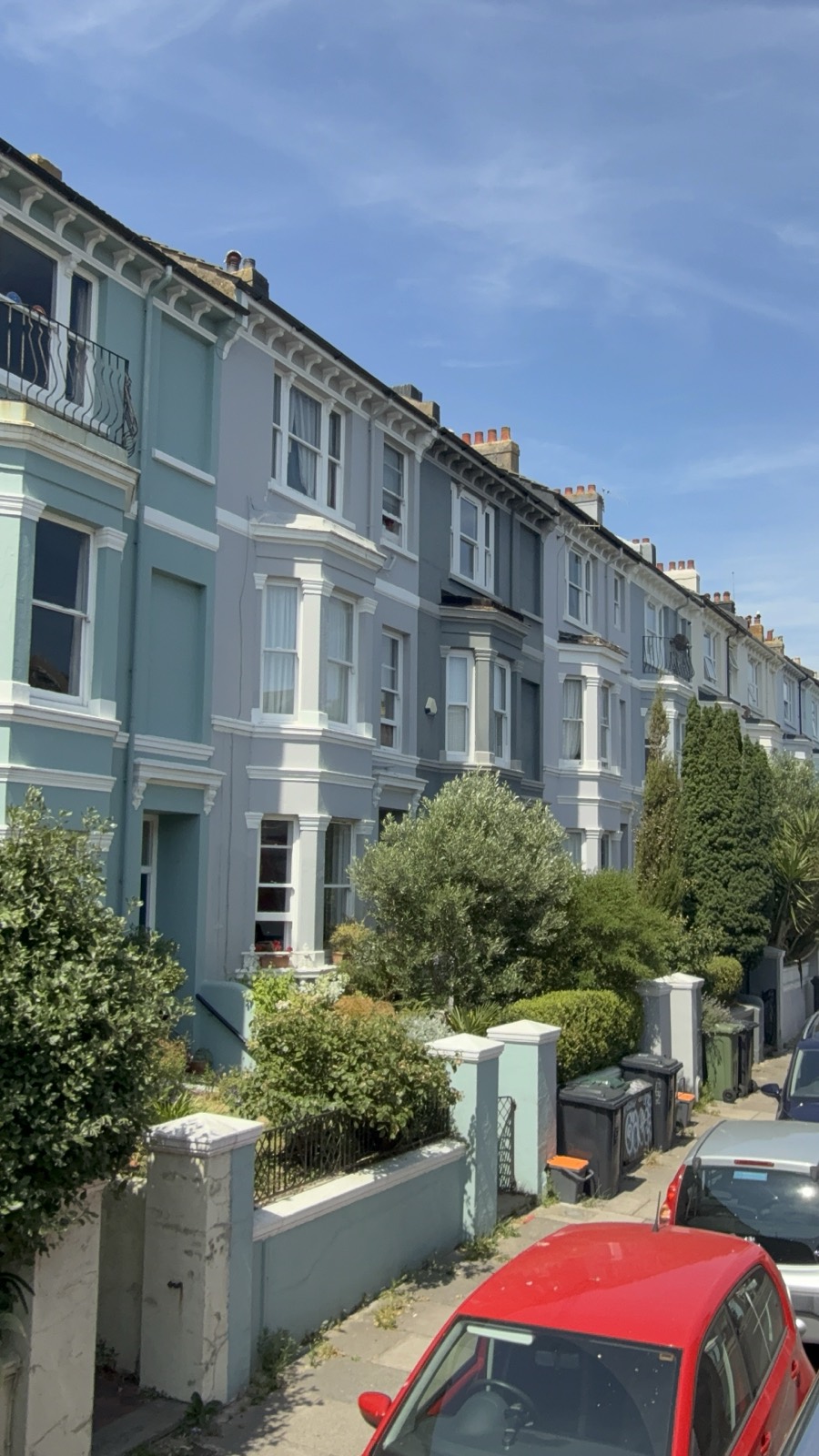
Kemptown, east of the Palace Pier, is Brighton's bohemian quarter: pastel terraces, independent cafes, a strong LGBTQ+ scene and a calmer feel than the centre. It suits repeat visitors and anyone wanting character over convenience. You are a short bus ride or a 15-minute walk from the pier, and close to the Marina.
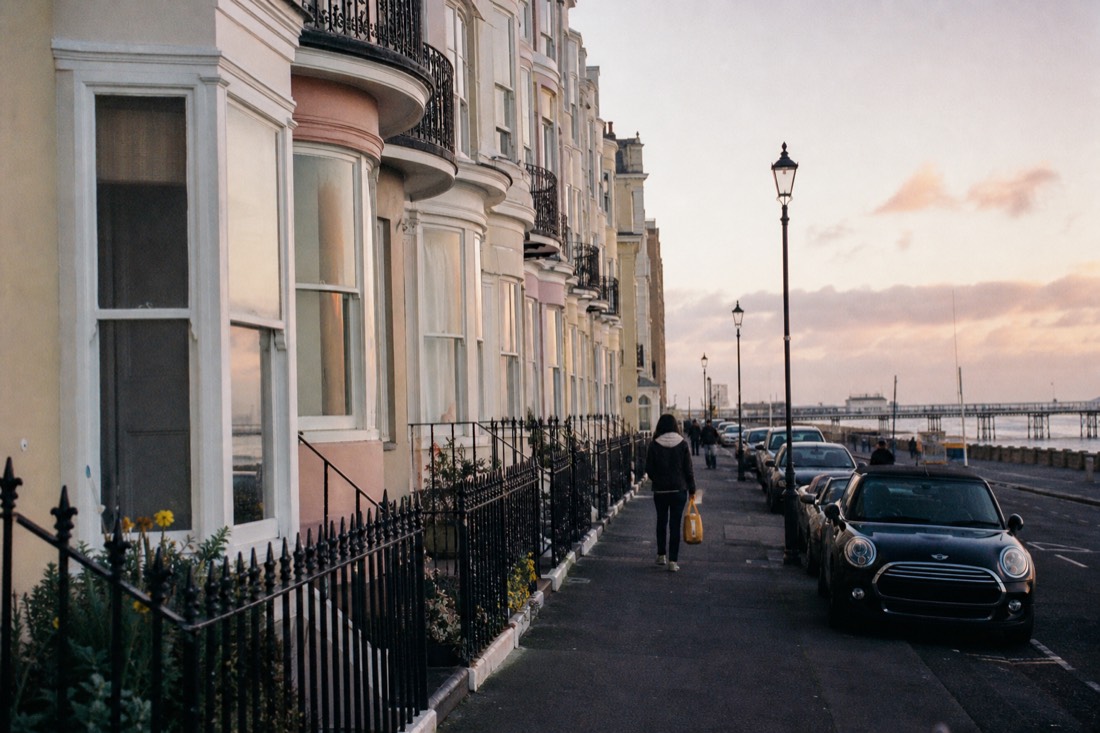
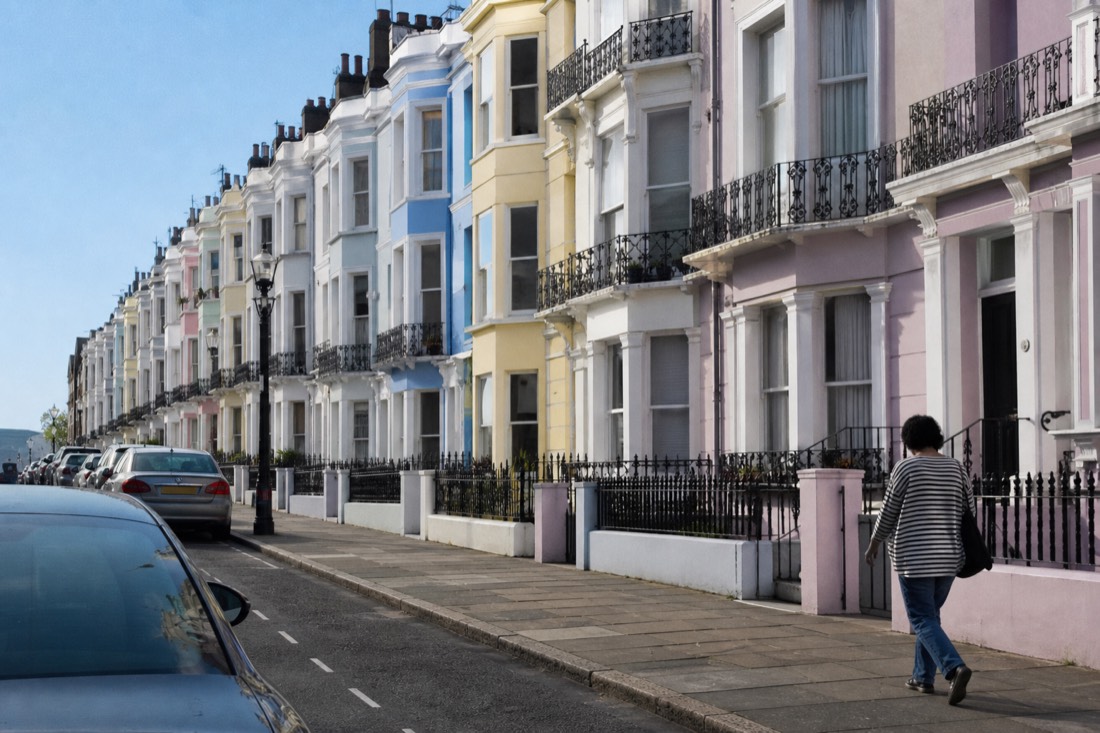
Kemptown, sometimes spelled Kemp Town, climbs the hill east of the seafront in rows of Regency and Victorian houses painted every shade of sherbet. It has always been the arty, independent, faintly countercultural end of Brighton, and it stays quieter at night than the centre because the big clubs are elsewhere. The trade-off is walking distance: you are ten to fifteen minutes on foot from the pier, more if the hill is against you. The open-top bus helps here, it stops at Paston Place near Volk's Electric Railway on the Kemptown side and links you back to the centre without the climb. The Kemptown guide covers the streets in detail if this is your kind of base. In this part of town the traditional Ambassador Hotel is a short walk from both the pier and the Lanes.
Ambassador Hotel (central / Kemptown) Check rates ›
Is Hove A Good Place To Stay In Brighton?
Hove, the calmer half of the city to the west, suits families, older visitors and anyone wanting space, wide lawns and a gentler pace. Rooms are often better value than central Brighton, and the seafront is prettier and quieter. The cost is distance: you are further from the pier and the nightlife.
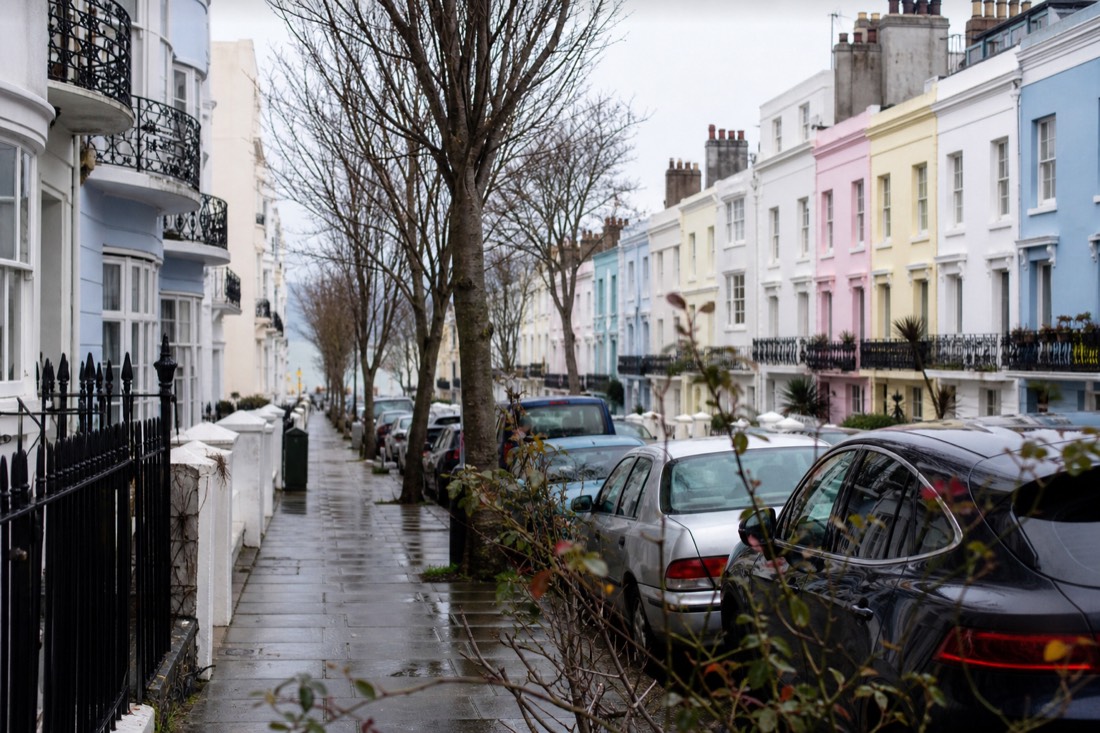
"Hove, actually" is the local joke, and it captures the mood, more genteel, more residential, more room to breathe. The Regency squares around Palmeira and Brunswick are some of the handsomest in the whole city, and the seafront lawns and beach huts feel a world away from the Palace Pier crowds. Families and quieter travellers tend to prefer it. The distance is real, though: from central Hove you are a fair walk or a short ride from the main sights. The open-top loop reaches into Hove at Grand Avenue and Palmeira Square, and the same ticket covers unlimited city buses, so getting back and forth is easy. The Hove guide has more on the squares and the seafront.
| Area | Best for | Feel | Nearest bus stop |
|---|---|---|---|
| Seafront | Beach lovers, couples, first visit | Scenic, busy, pricey | Palace Pier, West Pier / i360 |
| The Lanes / centre | Walkers, shoppers, nightlife | Dense, atmospheric, loud | Jubilee Clock Tower, Brighton Pavilion |
| Kemptown | Repeat visitors, character seekers | Bohemian, calmer, hilly | Paston Place |
| Hove | Families, quieter stays, value | Genteel, spacious, residential | 407 Grand Avenue, Palmeira Square |
| Near the station | London commuters, short breaks | Practical, uphill from sea | Brighton Station, Seven Dials |
Should You Stay Near Brighton Station?
Staying near Brighton Station suits anyone arriving by train from London or making an early getaway. Seven Dials, just above the station, is a leafy, residential pocket with good restaurants and calmer streets. You are uphill from the sea, a ten-minute downhill walk to the front, so factor the climb back up.
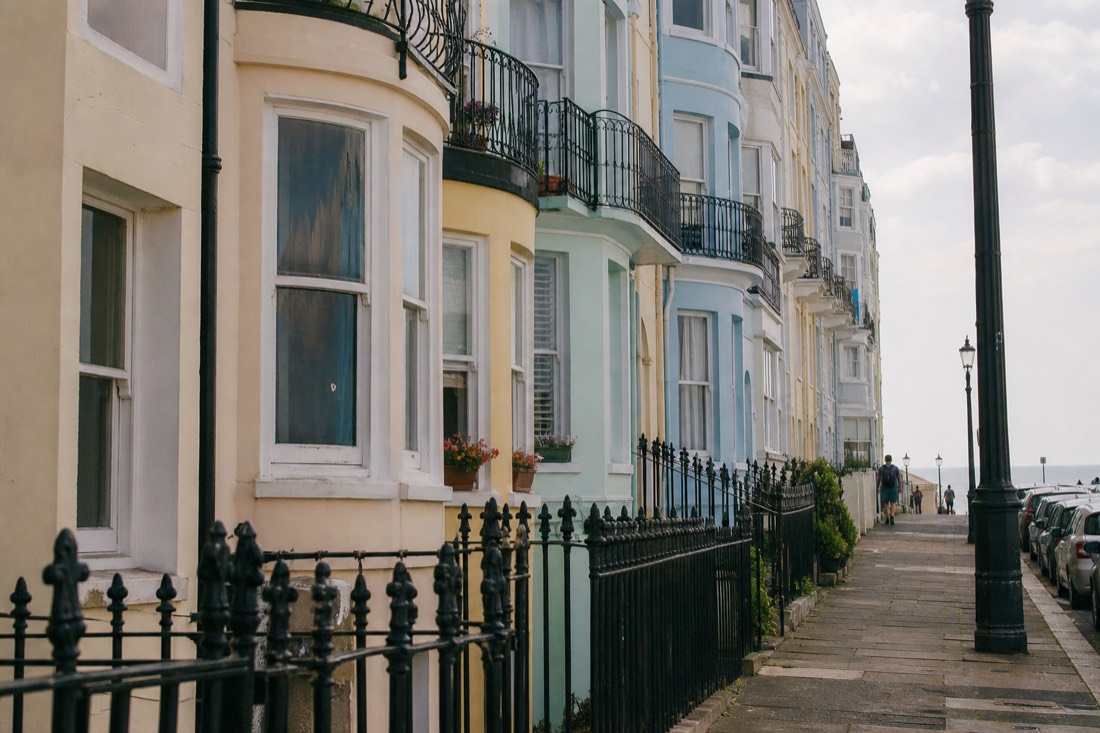
If your trip is built around the London train, or you are here for one packed day, a bed near the station saves fuss with bags. The station sits at the top of the hill, and everything drops away towards the water, so the walk down to the pier is easy and the walk back is the workout. Seven Dials, the roundabout neighbourhood just north, is quietly one of the nicest areas to sleep in, greener and more local than the centre. The open-top bus stops at both Brighton Station and Seven Dials, so you can leave your bags, ride the loop and see the city before check-in. If you are weighing the journey itself, the London to Brighton train guide runs through times and fares.
How Do The Brighton Areas Connect By Bus?
All five areas sit on or beside the 12-stop open-top loop, and the same ticket covers unlimited Brighton and Hove city buses for its duration. That means you can sleep in quiet Hove or Kemptown and still reach the pier, the Pavilion and the Lanes without a car or a long walk.
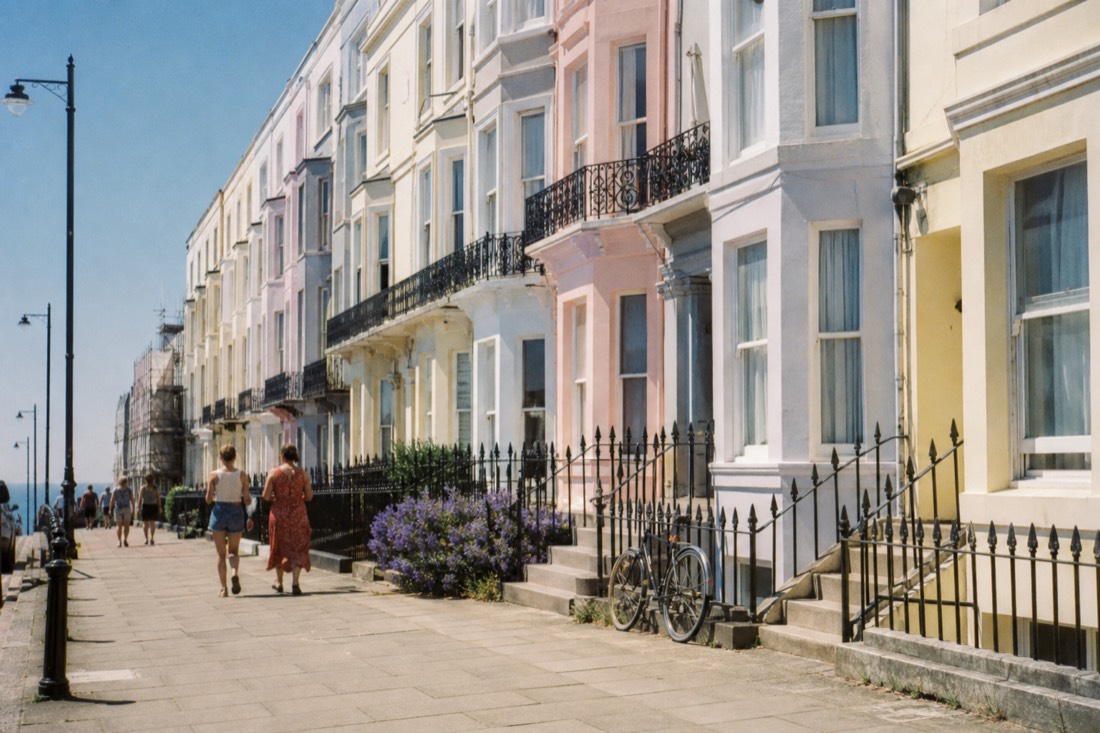
This is the part that makes the neighbourhood choice low-stakes. The Red Route runs from the Palace Pier out to Hove in the west and the Marina and Kemptown in the east, linking every base in this guide, and because the ticket doubles as a city bus pass, you are not limited to the tour stops. You can check live availability & prices on Viator or read how the loop works on the City Sightseeing bus page before you decide where to book a room. If you plan to lean on ordinary buses too, the operator's own ticket page lists the day passes.
Common Questions About Where To Stay In Brighton
What is the best area to stay in Brighton for first-timers?
The seafront or the Lanes and city centre. Both put the pier, beach, Royal Pavilion and main shops within a short walk, and both sit on the open-top bus loop. Expect higher prices and some weekend noise in return for the convenience.
Where should you stay in Brighton for a quiet trip?
Hove or the upper streets of Kemptown. Hove is more genteel and spacious, better for families and older visitors; Kemptown is bohemian and calmer than the centre. Both are a short bus ride from the main sights on the same tour ticket.
Is it better to stay in Brighton or Hove?
Brighton if you want to be steps from the pier, nightlife and the Lanes; Hove if you want space, calmer streets and often better value. They run into each other along the seafront, and the open-top loop links both, so the choice is about pace rather than access.
Where should you stay near Brighton Station?
Seven Dials, just above the station, is a leafy residential pocket with good restaurants. It suits anyone arriving by train from London or making an early start. Remember the station sits at the top of the hill, so the walk back up from the sea is a climb.
Do you need a car to stay in Brighton?
No. The city is compact and walkable, and the open-top bus ticket doubles as an unlimited city bus pass, so you can sleep in a quieter area and still reach everything easily. Parking in the centre is limited and expensive, so many visitors skip the car altogether.
Plan Your Next Step
Have a travel date in mind? Check the current schedule for ride the city loop before you lock in the rest of your Brighton plan.
Choose What Fits Your Visit
- City Sightseeing Brighton Hop-On Hop-Off Bus Tour: about 50 minutes for one loop; ticket valid 1 or 2 days board at any listed route stop audio guide in English and six other languages unlimited hop-on hop-off access, audio commentary, unlimited Brighton & Hove bus travel seasonal open-top service; check dated availability
- The Brighton story - walking tour: about 1 hour 30 minutes central Brighton meeting point shown at booking English local guided walk, Royal Pavilion, Old Town, beach and North Laine route outdoor walking required
- Brighton City Sightseeing Hop-On Hop-Off Bus Tour: ticket valid 1 or 2 days board at listed Brighton route stops audio guide in English and six other languages hop-on hop-off route, headphones, unlimited Brighton & Hove bus services, listed attraction discounts dated service and seasonal frequency must be checked
Scheduled dates from Viator load automatically. Availability and final price are confirmed on Viator.