Is Brighton Worth Visiting? An Honest Local Answer
People ask me this on the top deck all the time, usually while looking straight at the pier. Here is the honest version, good bits and rough edges.
 Written with Oliver Bennett, Brighton bus tour guide & local sightseeing specialist
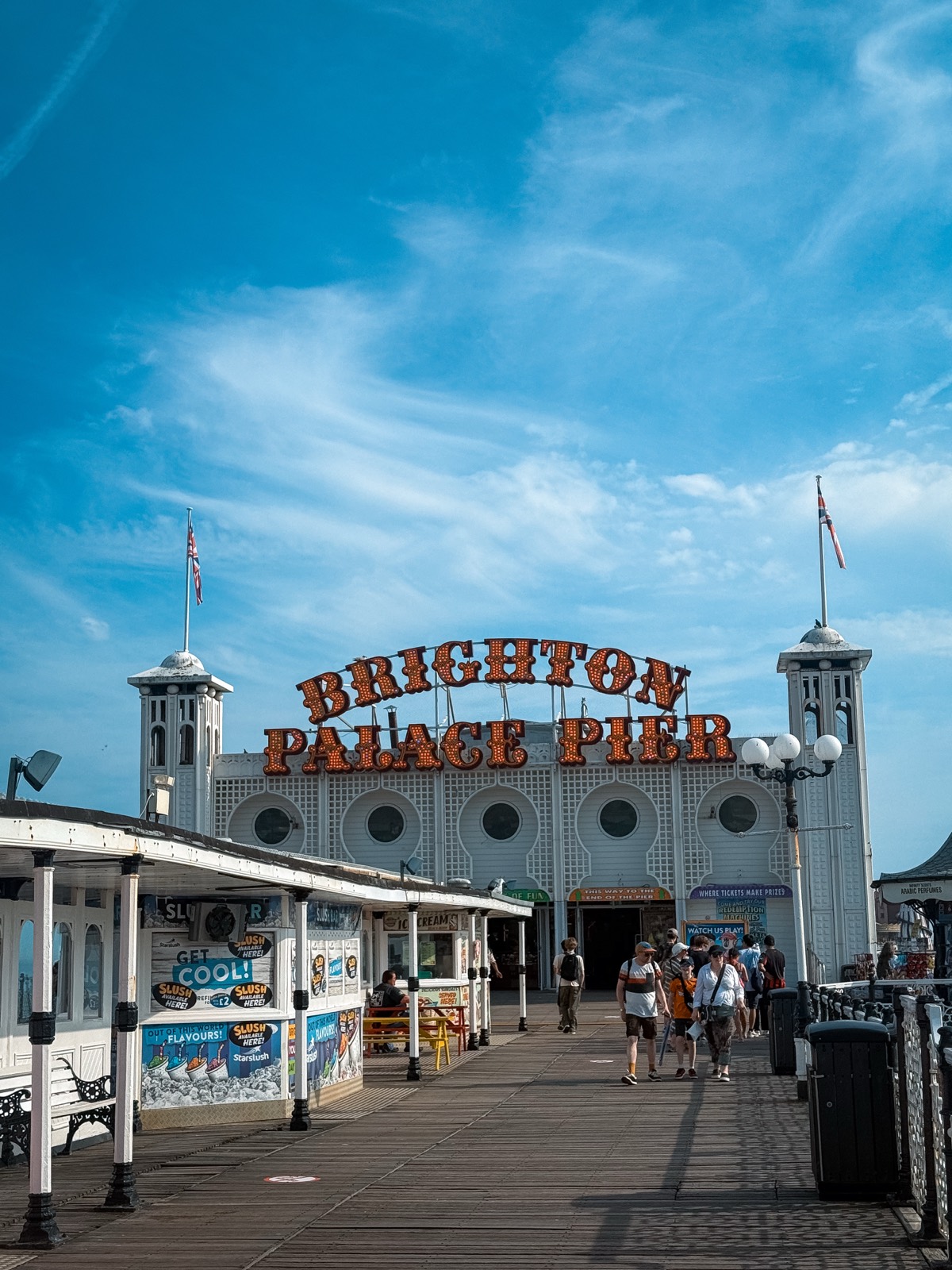
Short answer
Yes, Brighton is worth visiting. In one day you can walk the Victorian pier, tour the Royal Pavilion, browse the Lanes, and sit on the seafront. It is walkable, quirky, and easy to reach from London. The beach is pebble not sand, and summer weekends get crowded.
Stand at the end of the Palace Pier on a bright afternoon and the case for Brighton makes itself. The sea is in front of you, the Regency terraces curve away to your right, the i360 pod climbs into the sky, and behind it all sits a former royal palace shaped like it belongs in Rajasthan. I guide visitors around this town most days, and "is it actually worth it?" is the question I hear more than any other, usually from someone already halfway to yes. Here is the honest answer, the good and the not-so-good.
You can follow this guide independently. If you want the route, admission or local context arranged, compare the best-fit bookable option after the practical answer.
Booking Choice: The strongest paid match is explore on foot with a guide: it answers the main planning decision in this guide while the original article keeps the independent route usable. Explore The Brighton story - walking tour
Is Brighton Worth Visiting?
Yes, Brighton is worth visiting. It packs a Victorian pier, a genuinely strange royal palace, two atmospheric shopping quarters, a long seafront, and easy day trips to chalk cliffs into a small, walkable town an hour from London. One day covers the highlights. The main caveats: the beach is pebble not sand, and summer weekends get busy.
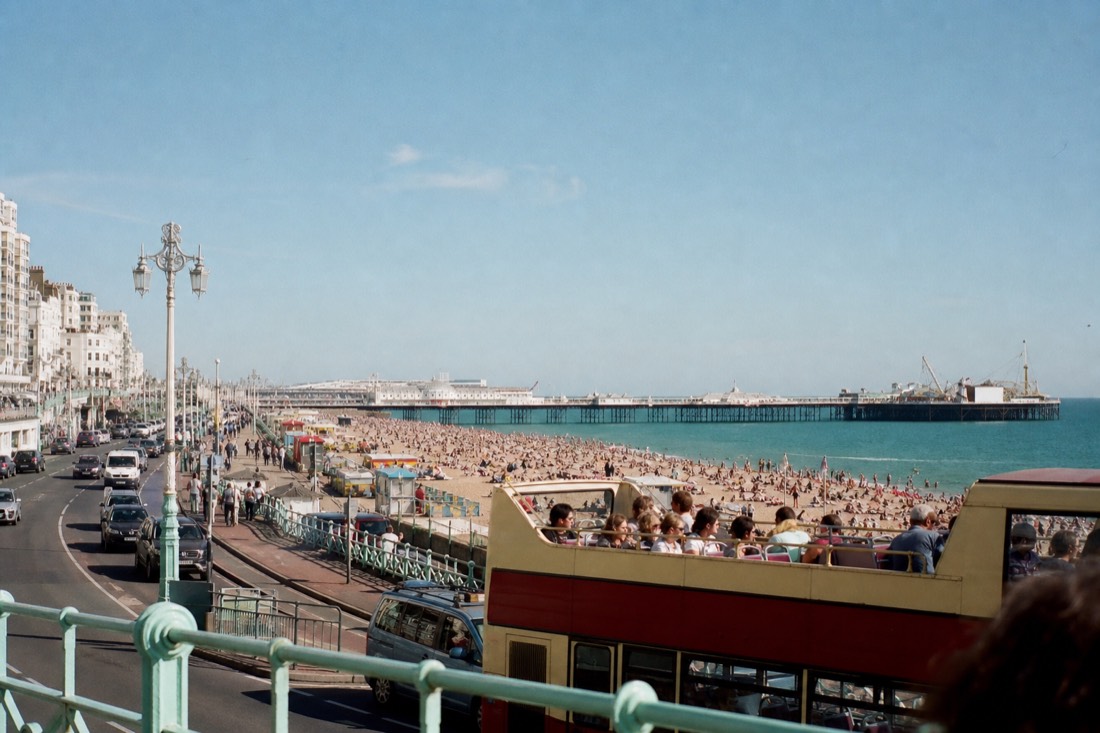
What makes Brighton work is density. Most of what you would want to see sits within a fifteen-minute walk of the seafront, so you are not losing half your day in transit. It is also a city with a personality, independent, a little scruffy, proudly itself, which is why people come back. If you want manicured and polished, this is not that. If you want character, sea air, and a good lunch, it delivers. And if you'd like the town's history told rather than guessed at, the small-group Brighton Story walking tour of the old quarter is a separate booking from the open-top bus, so you can check dates and prices here.
What Is Brighton Famous For?
Brighton is famous for its Victorian Palace Pier, the exotic Royal Pavilion built for George IV, the maze of independent shops in the Lanes and North Laine, a long pebble seafront, and its open, liberal, LGBTQ-friendly character. It is Britain's best-known seaside city and one of the easiest coastal escapes from London.
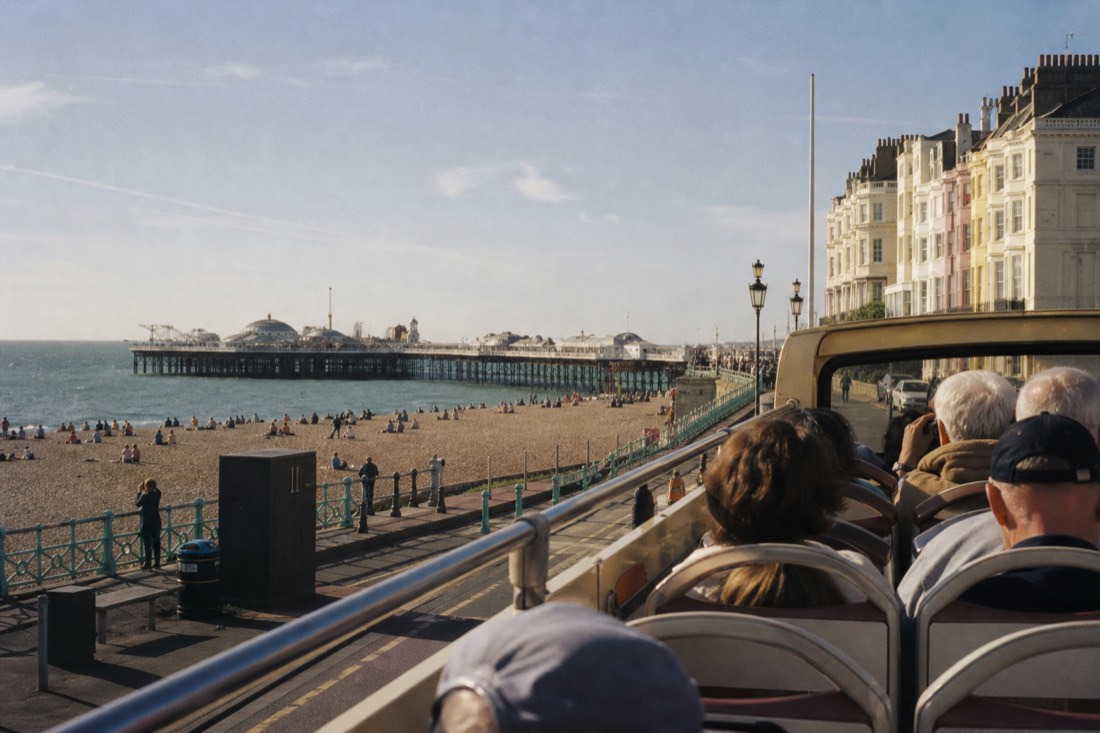
The headline sights are close together and each earns its reputation. Here is what most first-time visitors put on the list, and roughly how long each one takes.
| Sight | What it is | Time to allow |
|---|---|---|
| Brighton Palace Pier | Free Victorian pier, arcade, funfair rides, fish and chips | 45 to 60 min |
| Royal Pavilion | George IV's Indo-Saracenic seaside palace, adult around £21.50 | 60 to 90 min |
| The Lanes | Twisting alleys of jewellers, cafes and independent shops | 45 min plus |
| North Laine | Bohemian quarter, vintage, records, street food | 45 min plus |
| Seafront and beach | Pebble beach, i360, bars and the Volk's railway | Open-ended |
| British Airways i360 | 138 m glass viewing pod, 25-minute flight | 45 min |
Brighton is also a serious food town, and the vegan scene is a big part of that. It regularly ranks among the most vegan-friendly cities in the country, so plant-based eaters are spoiled rather than stranded. The Royal Pavilion is the one paid attraction I would not skip, and the i360, at 138 metres, is the tallest moving observation tower of its kind when it opened. For the fuller run-down of sights, the things to do in Brighton hub lays them all out.
How Many Days Do You Need In Brighton?
One full day is enough for Brighton's highlights: the pier, the Royal Pavilion, the Lanes and North Laine, and a spell on the seafront. Two days lets you add the i360, Kemptown, and a chalk-cliff day trip to the Seven Sisters or Devil's Dyke. Many visitors come down from London for a single day and leave satisfied.
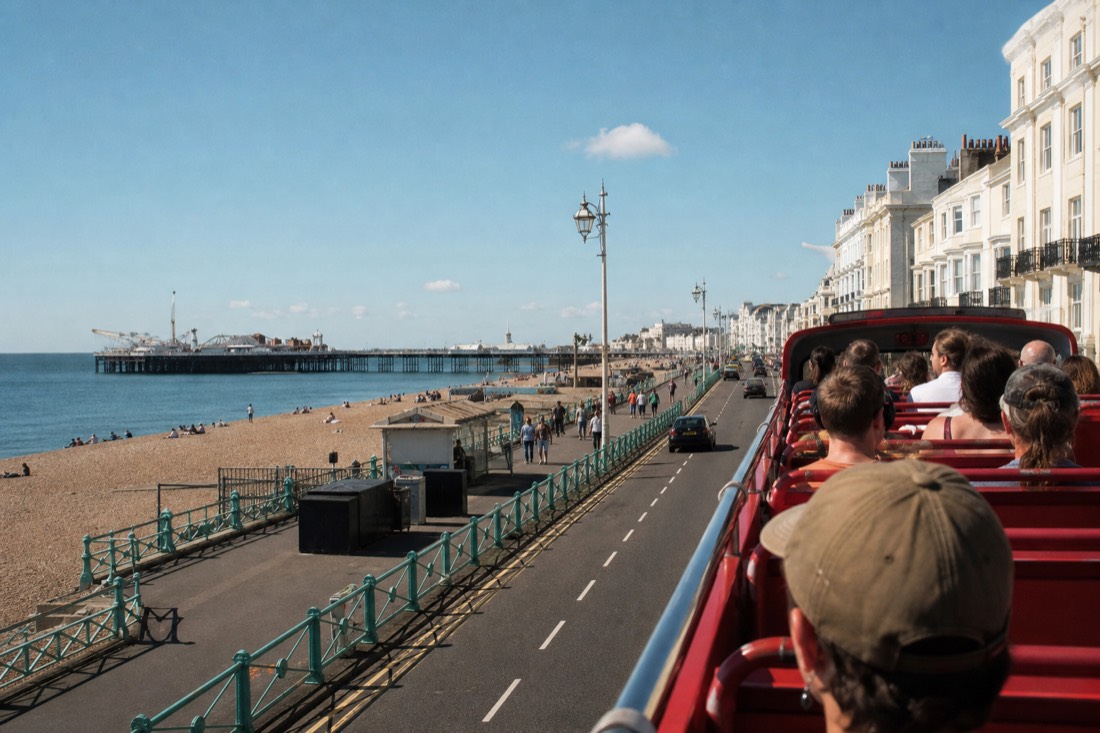
Because the town is compact, a day here goes further than a day in a sprawling city. The trick on a short visit is not to walk yourself into the ground between the sights. The open-top loop exists for exactly that: it links the pier, the i360, the Pavilion and the Lanes in a single circuit, and the ticket also covers the normal city buses, so you hop on and off as your feet decide. You can check live availability and prices on Viator, or read how it all fits together on the City Sightseeing bus page. If you have exactly one day, my hour-by-hour plan lives in the one day in Brighton guide.
| Worth a visit? | Yes, especially as a day trip or short break |
|---|---|
| Time needed | One day for the highlights, two for a relaxed pace |
| Best for | Seafront strolls, quirky shopping, food, culture, day trips |
| Less ideal for | Sunbathers wanting soft sand, quiet-weekend seekers in July |
| Beach type | Pebble and shingle, not sand |
| From London | About one hour by direct train |
Is Brighton Worth It In Winter?
Yes, Brighton is still worth it in winter, though it changes character. The pier, Royal Pavilion, SEA LIFE, the Lanes and the pubs all stay open year-round, and the seafront is dramatic in a storm. The main trade-off is the open-top bus, which runs seasonally and mostly sleeps through deep winter, and shorter daylight for the cliff walks.
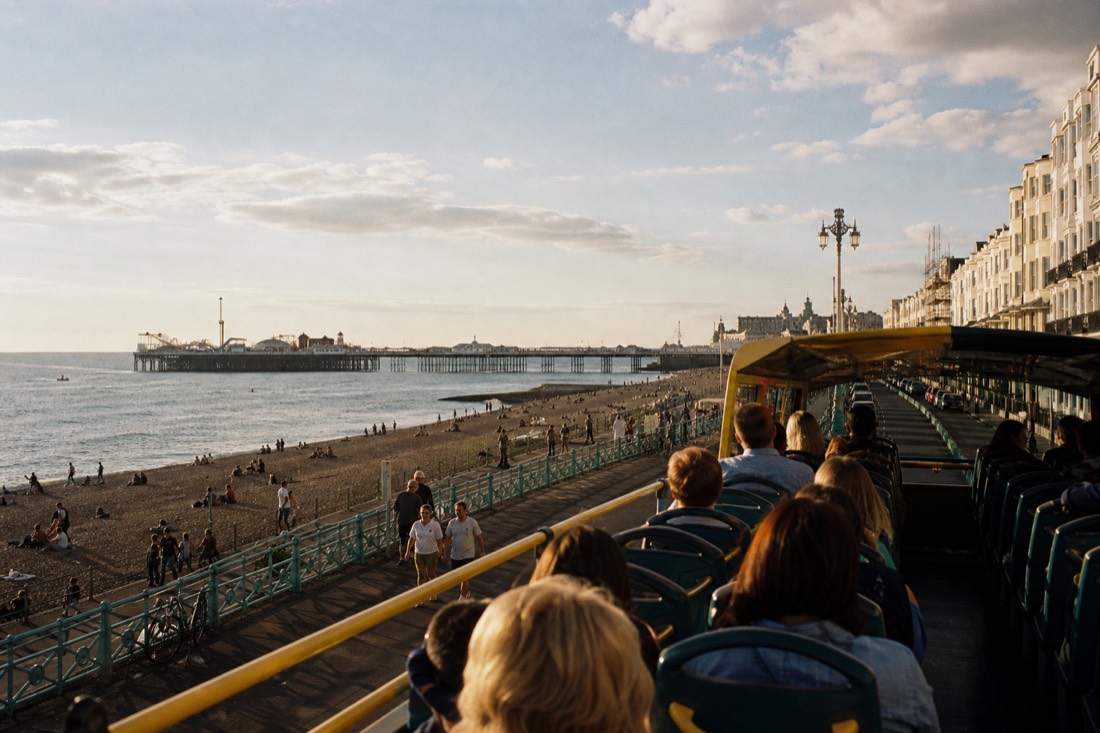
Out of season the crowds thin, the prices soften, and the town feels more like the place locals actually live in. Wet-weather Brighton has plenty going on indoors, which is more than many seaside towns can claim. The open-top tour is the one thing that pauses: it runs roughly late spring to early autumn, so a January visit is a walking-and-buses affair rather than a top-deck one.
| Open all year | Seasonal or weather-dependent |
|---|---|
| Royal Pavilion, SEA LIFE, Brighton Museum | Open-top sightseeing bus (spring to autumn) |
| The Lanes, North Laine, pubs and restaurants | Palace Pier funfair rides (reduced in winter) |
| The seafront promenade and beach | i360 flights (open, but views need clear weather) |
For a fuller sense of when to come, the seasonal breakdown in the day trips section covers the cliff-walk months too, since the Seven Sisters and Devil's Dyke are best in longer daylight.
Who Might Not Enjoy Brighton?
Brighton is not for everyone. If you want soft golden sand, guaranteed calm, and a polished resort feel, the pebble beach and the busy, slightly rough-edged centre may disappoint. Peak summer Saturdays are heaving, parking is a headache, and parts of town look tired up close. Come for character, not for perfection.
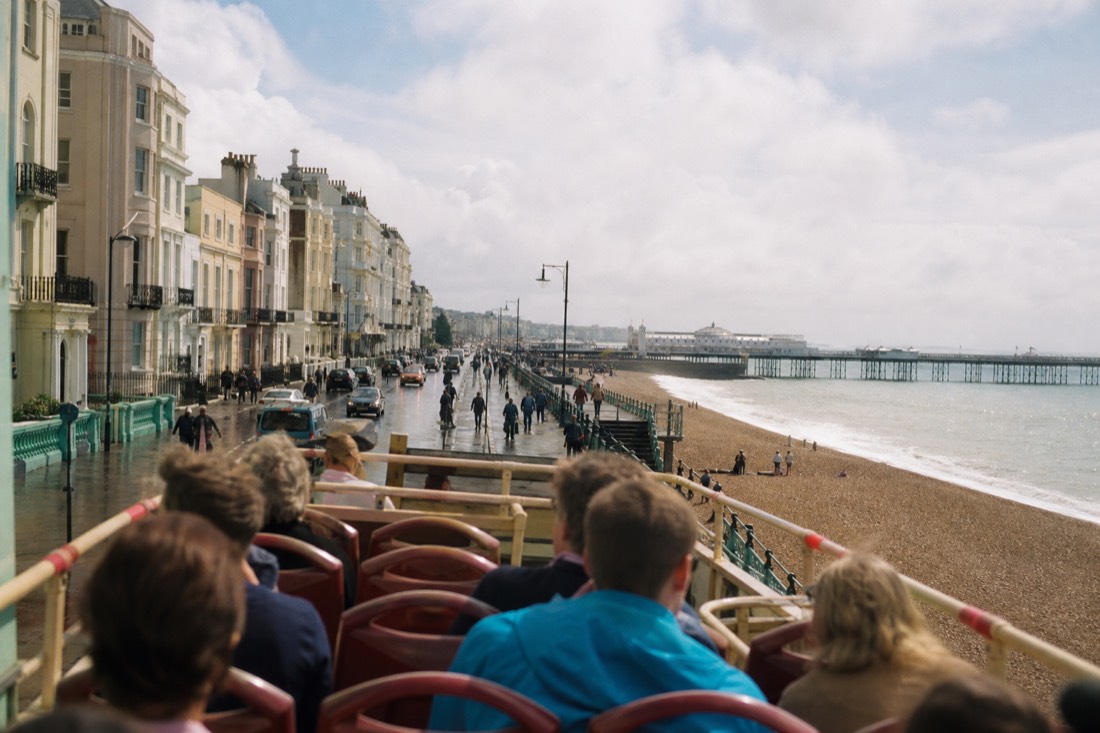
Let me be straight about the rough edges, because pretending they do not exist helps no one. The beach is shingle, which is hard on bare feet and hopeless for sandcastles, so families set on a classic sandy day out are sometimes caught off guard. The centre gets genuinely packed on warm weekends and during events, and the crowds bring litter and noise with them. Away from the polished squares of Hove, some streets look worn. None of that stops Brighton being a great visit, but it is a lived-in seaside city rather than a resort, and going in expecting that is the difference between charmed and let down. The official VisitBrighton site is a good stop for events and opening times before you commit to a date.
Common Questions About Visiting Brighton
Is Brighton worth visiting as a day trip from London?
Yes. The direct train takes about an hour, and one day covers the pier, the Royal Pavilion, the Lanes and the seafront. Arrive mid-morning, and the open-top loop links the main sights so you are not walking the whole time. Most day-trippers leave happy.
Does Brighton have a sandy beach?
No. Brighton's beach is pebble and shingle, not sand. It is fine for sitting, swimming and sunset-watching, but bring something to lie on and shoes for the walk to the water. If you want sand, nearby West Wittering or Camber Sands are day-trip options.
What is the best time of year to visit Brighton?
Late spring to early autumn is the sweet spot: warm enough for the seafront, and the open-top bus is running. Summer is liveliest but busiest, especially weekends. Winter is quieter and cheaper, with the indoor sights and pubs still open, though the top-deck tour pauses.
Is Brighton good for families with kids?
Yes. The pier funfair, SEA LIFE aquarium, the Volk's Electric Railway and the beach itself keep children busy. Just prepare them for pebbles rather than sand, and note the open-top bus upper deck is stairs-only, while the lower deck takes buggies and wheelchairs.
Can you see the main sights in one day?
Comfortably. The pier, Royal Pavilion, Lanes, North Laine and seafront all sit within a short walk of each other. The hop-on hop-off loop stitches them together in about 50 minutes end to end, so you spend your day at the sights rather than between them.
Is Brighton expensive to visit?
It can be, but it need not be. The pier, the beach, the Lanes and North Laine cost nothing to wander. The Pavilion is around £21.50 and the i360 around £20.50. A day bus pass is roughly £6, and the sightseeing ticket bundles unlimited city buses with attraction discounts.
Plan Your Next Step
Have a travel date in mind? Check the current schedule for explore on foot with a guide before you lock in the rest of your Brighton plan.
Choose What Fits Your Visit
- The Brighton story - walking tour: about 1 hour 30 minutes central Brighton meeting point shown at booking English local guided walk, Royal Pavilion, Old Town, beach and North Laine route outdoor walking required
- City Sightseeing Brighton Hop-On Hop-Off Bus Tour: about 50 minutes for one loop; ticket valid 1 or 2 days board at any listed route stop audio guide in English and six other languages unlimited hop-on hop-off access, audio commentary, unlimited Brighton & Hove bus travel seasonal open-top service; check dated availability
- Brighton i360: View 360 Ticket: timed pod flight; allow about 25 minutes for the flight Brighton i360, Lower Kings Road, Brighton seafront self-guided attraction Brighton i360 pod admission, 360-degree views across Brighton, the coast and South Downs timed availability varies by date, security and operator access conditions apply
Scheduled dates from Viator load automatically. Availability and final price are confirmed on Viator.