Brighton Fringe And Brighton Festival 2026: The May Arts Season Explained
What is on during Brighton's May arts season: how Brighton Festival and the bigger, open-access Brighton Fringe differ, where events happen, and how to get about.
 By Oliver Bennett, Brighton bus tour guide & local sightseeing specialist
For most of May, Brighton runs on a different clock. Pub back rooms turn into theatres, shopfronts become galleries, and you can walk past a brass band, a one-person play and a life-drawing class in the space of a single street. Two things are happening at once: Brighton Festival, the curated arts programme, and Brighton Fringe, the much bigger open-access sprawl that grows up around it. I have spent enough Mays here to know the season overwhelms people who arrive without a rough map of how it works. So here is that map, and how to get between the good bits.
You can plan this independently from the answers below. If you would rather give the day a bookable backbone, Brighton City Sightseeing Hop-On Hop-Off Bus Tour is the closest verified fit.
Booking Choice: Start with Brighton City Sightseeing Hop-On Hop-Off Bus Tour when hop-on hop-off route matters most. Use the selector after the full guide to switch to a meaningfully different experience or keep the day independent. Explore Brighton City Sightseeing Hop-On Hop-Off Bus Tour
What Is The Difference Between Brighton Festival And Brighton Fringe?
Brighton Festival is the curated, invitation-based arts programme, with a guest artistic director each year and a lineup of theatre, music, dance, literature and outdoor events. Brighton Fringe is the separate, open-access festival that anyone can enter, so it is far larger in raw number of shows, running comedy, cabaret, theatre and one-off oddities across hundreds of venues.
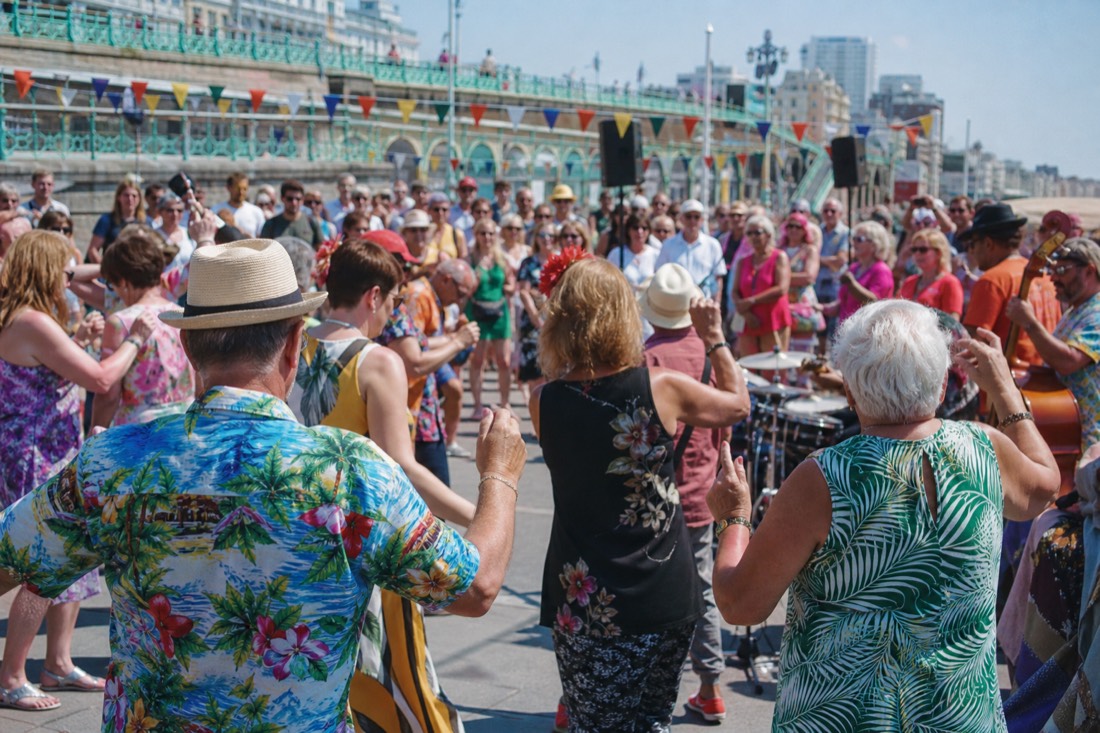
The two run alongside each other in May and are easy to confuse, but the distinction is simple once you have it. The Festival is selective: a programme chosen by organisers, built around a headline artistic director, tending toward the larger, more polished productions. The Fringe is the opposite by design, open to any performer who registers, which is why it sprawls across so many small and pop-up venues and why the sheer volume of it dwarfs the Festival on numbers alone. One of the largest open-access festivals in England grew out of exactly that model. If you want the background, the Brighton Fringe page on Wikipedia lays out the history.
| Brighton Festival | Brighton Fringe | |
|---|---|---|
| Type | Curated, invitation-based | Open-access, anyone can register |
| Scale | Smaller, selective programme | Far larger by number of shows |
| Feel | Larger, polished productions | Comedy, cabaret, experimental, one-offs |
| Venues | Established theatres and outdoor spaces | Hundreds, from theatres to pub rooms and pop-ups |
| Led by | A guest artistic director each year | The performers who sign up |
When Is Brighton Fringe And Brighton Festival?
Both run through May, overlapping across roughly three to four weeks, with the Fringe usually the longer of the two. The exact opening and closing dates move each year, and full programmes are published in the spring. Check this year's programme on the official Brighton Festival and Brighton Fringe websites before you plan, since dates, venues and lineups are confirmed there.
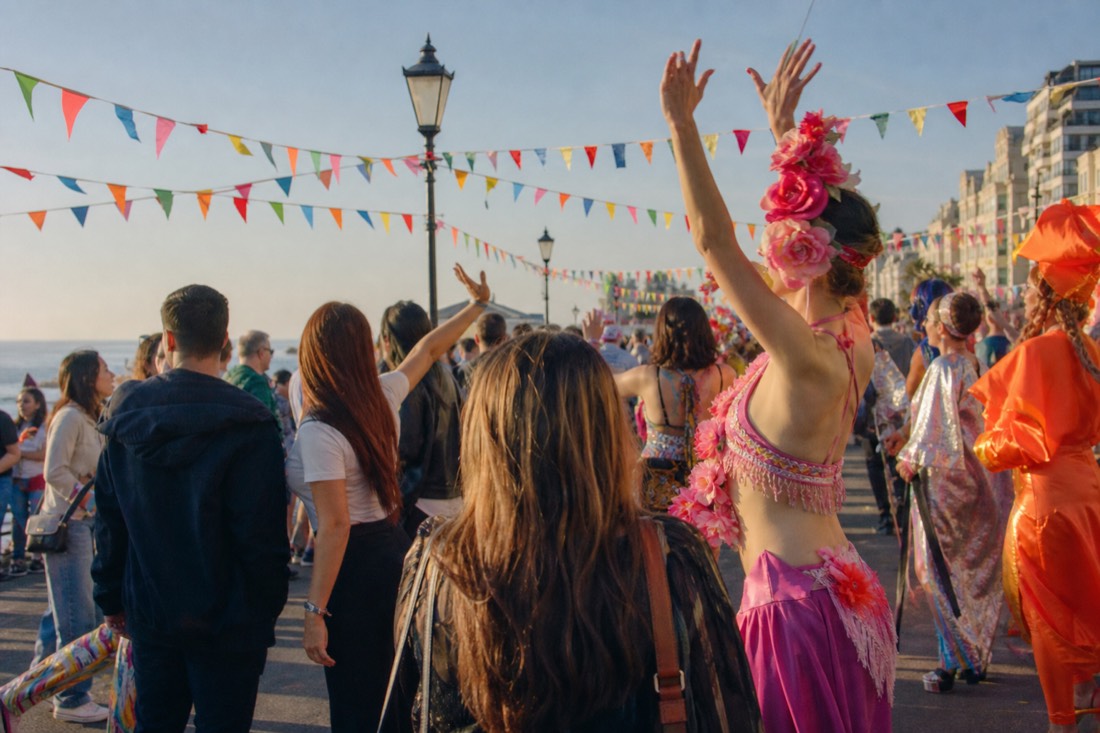
May is the answer, but I will not pin exact dates, because they shift annually and the programmes are the only place to trust for the current ones. What holds steady is the rhythm: the season builds through the month, weekends are busiest, and the two festivals bookend a wider mood in the city where seemingly every venue has something on. Spring is a lovely time to be here anyway, mild and long-lit before the summer crowds peak. If you are weighing when to come, my best time to visit Brighton guide sets out how the months compare, and May sits near the top of it.
What Kind Of Shows Are On?
Everything, is the honest answer. Across the two festivals you will find theatre, stand-up comedy, cabaret and circus, classical and live music, dance, spoken word, visual-art exhibitions, family shows and outdoor spectacle. The Festival leans toward larger curated productions and headline names, while the Fringe is where the experimental, the cheap and the delightfully strange live.
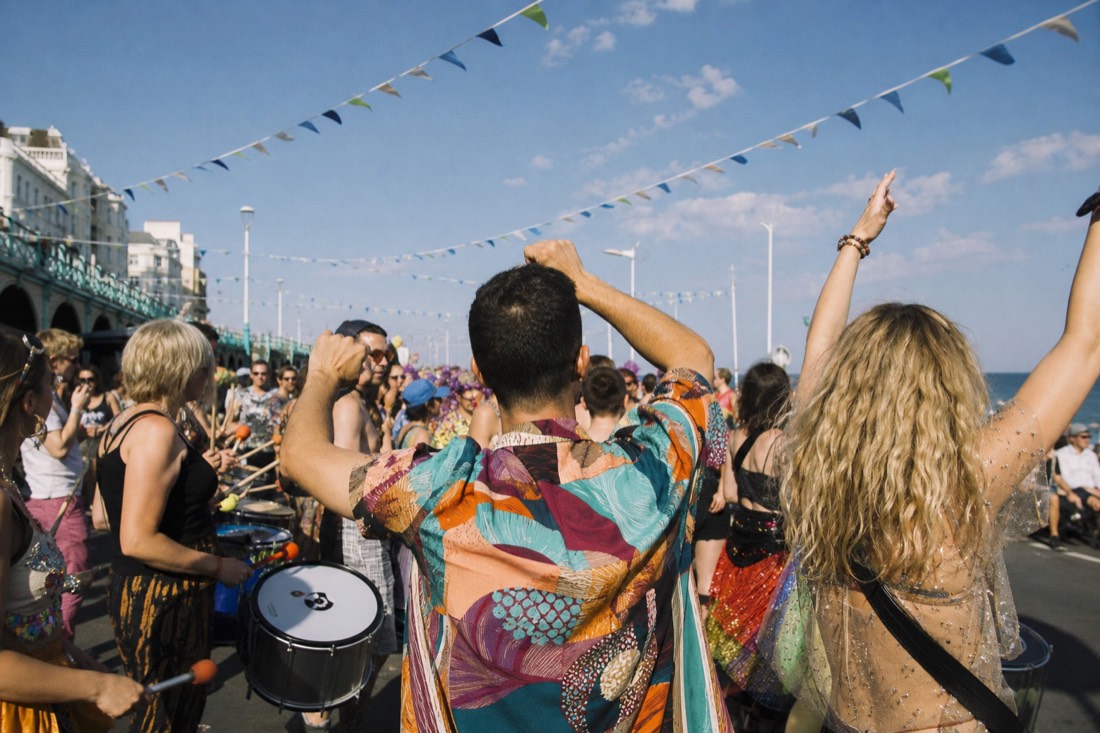
The scale is the thing to grasp. On a single Fringe evening there might be several hundred performances across the city, which means you can gamble on an unknown act in a pub room for a few pounds or book a marquee Festival show weeks ahead. I always tell people to do both: pick one or two Festival shows you would travel for, then leave whole afternoons open to wander into Fringe acts on impulse. That mix, planned and unplanned, is how the season is meant to be taken.
| When | Through May, overlapping for about three to four weeks (check this year's programme) |
|---|---|
| Festival strengths | Curated theatre, music, dance, literature, outdoor events |
| Fringe strengths | Comedy, cabaret, experimental theatre, cheap one-offs |
| Ticket range | Free and pay-what-you-can up to booked headline shows |
| Best approach | Book one or two big things, keep the rest of the day open |
Where Do The Festival Events Happen?
All over the city, which is part of the fun and part of the challenge. Events spread from established theatres and concert halls into the Lanes and North Laine, out to the seafront and Preston Park, and into countless pub back rooms and pop-up venues in between. There is no single festival site, so shows can sit a brisk walk or a short bus hop apart.
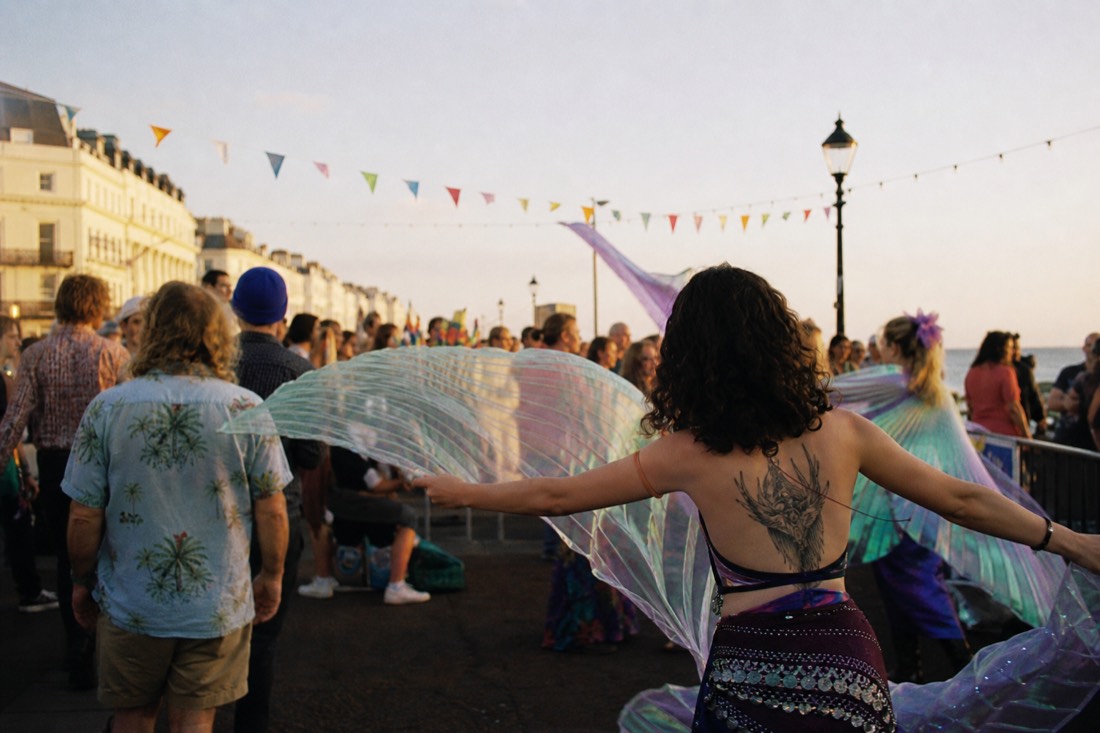
This scattering is worth planning around. Two shows you want might be twenty minutes apart on foot, and back-to-back bookings can leave you jogging across town. The compact centre helps, since the Lanes, North Laine and the seafront hold a good density of venues within walking distance of each other. But the season reaches further out too, and that is where getting around starts to matter. My North Laine guide covers the creative quarter where a lot of the smaller Fringe venues cluster, and the VisitBrighton site pulls together what is on across the city if you want an overview before the programmes land.
How Do You Get Around During The Festival?
On foot for the central cluster, and by bus for anything further out. The core of both festivals sits in the walkable centre, but venues scatter toward Hove, Kemptown and Preston Park, and hopping between them by bus saves your legs. The open-top sightseeing loop is a handy way to cover the city and see where the venues sit, and its ticket also covers the ordinary city buses.
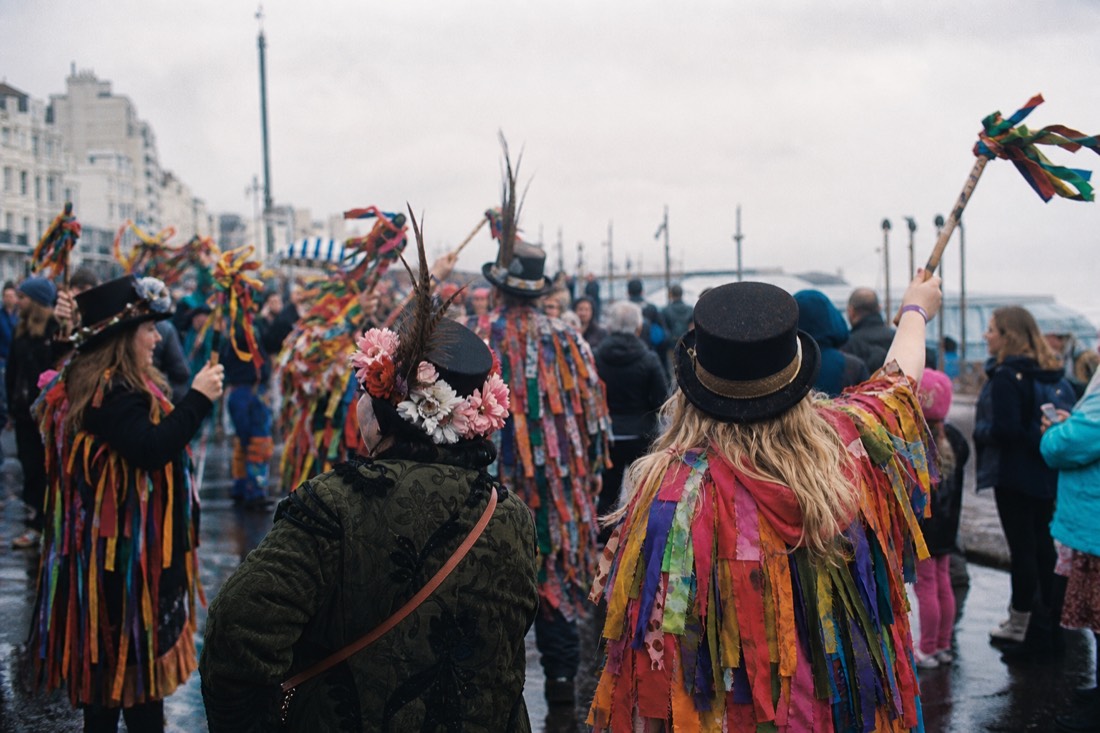
Unlike Pride in August, the May festivals do not shut the roads, so the normal transport works and the open-top bus runs as usual through the season. That makes it genuinely useful here: ride the City Sightseeing loop once early on to fix the geography in your head, spot which venues sit near which stops, and then move between shows knowing where you are going. Because the ticket also covers unlimited Brighton & Hove city buses, it doubles as your run-around for the days that follow. If that split of sightseeing and practical transport appeals, you can check live availability & prices on Viator ahead of your trip.
| Getting around | Good for | Note |
|---|---|---|
| Walking | The central cluster of venues | The Lanes, North Laine and seafront sit close together |
| City buses | Hove, Kemptown, Preston Park venues | Frequent; the tour ticket covers these too |
| Open-top bus loop | Getting your bearings early | Runs as normal in May, unlike on Pride day in August |
| Train | Arriving from London or along the coast | Brighton Station is a short walk or bus from the centre |
Is Brighton Worth Visiting In May For The Festivals?
Yes, if you like arts and atmosphere. May gives you mild spring weather, long evenings, a city humming with performance, and thinner crowds than the July and August peak. Book any headline Festival shows and your accommodation ahead, then leave room to stumble into Fringe events, which is where the season's best surprises tend to hide.
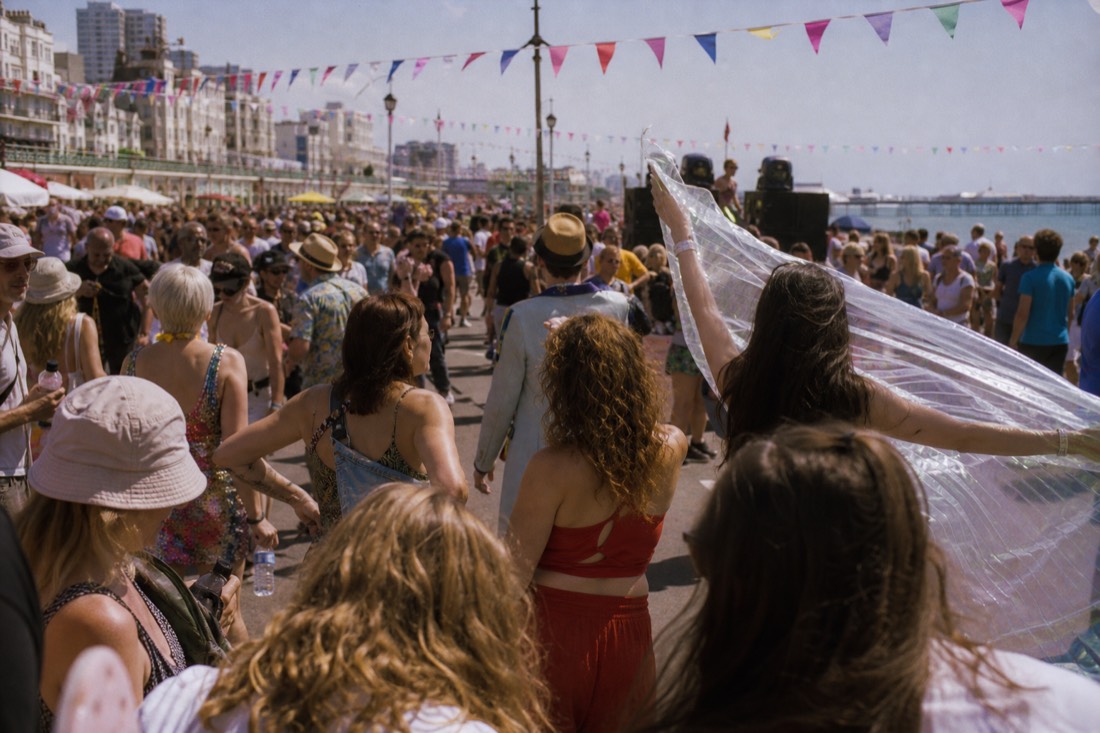
I rate May as one of the best times to be here, festivals or not, and the arts season tips it over. The weather is kind more often than not, the seafront is coming back to life, and you are never short of an evening plan. Book the big-ticket items and your room early, since popular weekends fill, but keep the impulse budget for the small stuff. If you only have a short stay, my one day in Brighton guide shows how to fit the city around a show or two.
Common Questions About Brighton's May Festivals
What is the difference between Brighton Festival and Brighton Fringe?
Brighton Festival is the curated, invitation-based arts programme with a guest artistic director each year. Brighton Fringe is the separate open-access festival that anyone can enter, so it is far bigger by number of shows and leans toward comedy, cabaret and experimental work.
When is Brighton Fringe?
It runs through May, overlapping with Brighton Festival for roughly three to four weeks. The exact dates change each year and the full programme is published in spring, so check this year's dates on the official Brighton Fringe website before booking.
How much do festival tickets cost?
It ranges widely. The Fringe has free and pay-what-you-can shows for a few pounds, while headline Festival productions cost more and book up ahead. Check the current programme for prices, since they vary by show and change each year.
Do you need to book festival shows in advance?
For popular Festival headliners, yes, they sell out. Much of the Fringe you can walk into on the night, which is part of its appeal. A good plan is to book one or two big things ahead and keep the rest of your time open for spontaneous shows.
Where are the festival venues in Brighton?
All over the city. Established theatres and concert halls host bigger shows, while the Lanes, North Laine, pub back rooms and pop-up spaces host the smaller Fringe acts. Venues can be a walk or a short bus ride apart, so plan a little travel time between bookings.
Is May a good time to visit Brighton?
Yes. You get mild spring weather, long evenings, a city full of performance and fewer crowds than the summer peak. Book headline shows and accommodation ahead, then leave room to wander into the smaller Fringe events on impulse.
Plan Your Next Step
Ready to turn the plan into a date? Check Brighton City Sightseeing Hop-On Hop-Off Bus Tour for your travel day, then fit the untimed stops around it.
Choose What Fits Your Visit
- Brighton City Sightseeing Hop-On Hop-Off Bus Tour: ticket valid 1 or 2 days board at listed Brighton route stops audio guide in English and six other languages hop-on hop-off route, headphones, unlimited Brighton & Hove bus services, listed attraction discounts dated service and seasonal frequency must be checked
- Brighton City Highlights Walking Tour: 1.5 hours outside Royal Pavilion Shop English live guide professional guided walk, central districts and hidden places outdoor route; prepare for changing weather
- Brighton Royal Pavilion Admission Ticket: valid 1 day Royal Pavilion Garden entrance self-guided visit; language support not asserted one-day Royal Pavilion admission no passenger lift, mobility scooters and non-folding wheelchairs not allowed, under 14s require an accompanying person over 16
Choose your date on GetYourGuide. If the calendar does not load, use the booking link below.